Rethinking Workflows in the Age of AI written by John Jantsch read more at Duct Tape Marketing
Catch the Full Episode Episode Overview AI is moving fast, but most organizations weren’t built for that kind of speed. In this episode, John Jantsch talks with Stephen Wunker, Managing Director of New Markets Advisors and author of AI and the Octopus Organization: Building the Super Intelligent Firm. They unpack why “adding AI” to existing […]
Rethinking Workflows in the Age of AI written by John Jantsch read more at Duct Tape Marketing
Catch the Full Episode
![Steve Wunker]() Episode Overview
Episode Overview
AI is moving fast, but most organizations weren’t built for that kind of speed. In this episode, John Jantsch talks with Stephen Wunker, Managing Director of New Markets Advisors and author of AI and the Octopus Organization: Building the Super Intelligent Firm.
They unpack why “adding AI” to existing processes is not the win, and why the winners will redesign how decisions, learning, and accountability work.
Using the octopus as a metaphor, distributed brains connected by a coordinating nerve ring—Wunker explains how AI can enable distributed intelligence across teams while maintaining contextual alignment through data, governance, and culture. The conversation dives into “golden workflows,” the danger of unmanaged pilots, and how organizations can move from incremental improvements to
true workflow transformation.
About Stephen Wunker
Stephen Wunker is the Managing Director of New Markets Advisors, where he has advised hundreds of organizations on growth, innovation, and new market strategy. He is the author of AI and the Octopus Organization: Building the Super Intelligent Firm, focused on helping companies redesign operations and decision systems to capture the full value of AI.
Key Takeaways
1) AI is not just better software
- Incremental upgrades (e.g., swapping interfaces for chatbots) help, but the real gain comes from redesigning workflows end-to-end.
- Think: turning a 21-step process into 3 steps—possibly different steps—not just automating a single task.
2) The Octopus Organization enables distributed intelligence
- Like an octopus’ arms sensing and acting independently, AI can push decisions closer to where work happens.
- Alignment comes from shared context: connected data, governance, and coordination mechanisms.
3) Stop running “900 pilots”
- Uncoordinated AI experimentation is distracting and risky.
- Build a repeatable way to assess, measure, and either scale or kill pilots.
4) Use the ABC approach
- A: AI-fy the present (within guidelines).
- B: Become great at experimentation (hypotheses, pre/post measures, learning loops).
- C: Create the future (rethink a few high-impact workflows to become “lighthouses”).
5) Focus on “golden workflows”
- Pick the few workflows that drive the most time, cost, or strategic value—and redesign those first.
- Examples discussed: campaign planning, internal announcements, service-line marketing messaging.
6) The three hearts: analytical, agile, aligned
- Analytical: data-driven decision-making.
- Agile: ability to adapt quickly (often hardest for larger firms).
- Aligned: shared purpose and emotional coherence during disruption.
7) AI supercharges collaboration
- The “super intelligent firm” is less about super-human AI and more about AI improving human collaboration and coordination.
- Right information to the right people at the right time elevates firm-wide intelligence.
Great Moments (Timestamps)
00:01Why most organi
Related Posts

Recommended Story For You :

How To Make $3493 Commissions Without Doing Any Selling

Successful dropshippers have reliable suppliers.
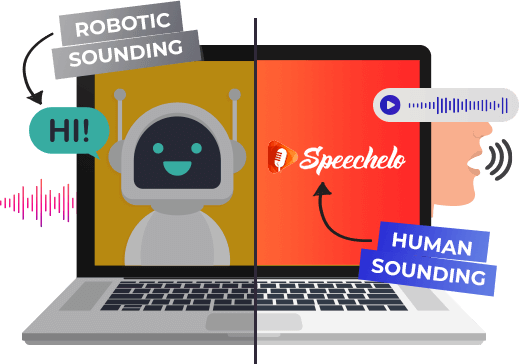
People Think I Use A Professional Voiceover Artist. NO! I Just Use Speechelo!

Make Money Testing Apps On Your Phone Or Tablet

Make More Money or Lose Everything
Sqribble Is The ONLY eBook Creator You’ll Ever Need.

Work & Earn as an Online Assistant
Create Ongoing Income Streams Of $500 To $1000 Or More Per Day

It's The Internet's Easiest Side Business.