Threads doesn’t just reward replies — it was built for them.
Adam Mosseri, Head of Instagram, has said this more than once, and he hasn’t minced words on it, either: "The sum of all your replies is about as valuable as the sum of all the value of all your posts," he told Platformer.
Turns out, he wasn't exaggerating. We have data to back up just how powerful responding on Threads can be.
Replying to comments on your Threads posts can boost engagement by around 42% — the highest lift we've seen across any platform — according to Buffer data scientist Julian Winternheimer's analysis of over 128,000 Threads posts.
Julian found that when creators and brands engage back in their comments on Threads, their posts perform dramatically better relative to their own baseline. The platform's design actively rewards conversation in ways that other social networks don't.
His analysis spanned other major platforms too, and while every single one saw an engagement boost from comment replies, the effect on Threads was significantly higher. LinkedIn, in the second spot, saw only (can we even say only here?) a 30% boost.
Let's dig into what makes Threads different, how Julian analyzed the data, and what this means for how you show up on the platform.
Jump to a section:
The analysis
To understand whether replying to comments actually moves the needle on Threads, Julian needed to account for a tricky reality: bigger accounts naturally get more engagement than smaller ones. Comparing them directly wouldn't tell us much.
So instead of asking "Do accounts that reply perform better,” he asked: "Does the same account perform better on posts where it replies versus posts where it doesn't?"
This approach — using what's called a fixed-effects regression model — lets us isolate the impact of replying by comparing each account to itself. All the variables that make accounts unique (follower count, niche, posting frequency) are already baked into the comparison.
Julian also ran Z-score analyses as a cross-check. This measures how each post performed relative to that account's typical engagement — basically, did this post overperform or underperform compared to what's normal for that brand or creator?
Both methods pointed to the same conclusion. And when you see that kind of consistency, it's hard to dismiss as random chance.
A few things worth noting upfront:
- This is correlation, not guaranteed causation. It's possible that posts that naturally take off get more creator replies simply because there's more activity to respond to.
- That said, this pattern showed up across all six platforms Julian analyzed (Threads, LinkedIn,
Related Posts


Recommended Story For You :
Organize Keywords and Import CSV Files from the Google Keyword Planner
The Most Affordable And Easiest User Friendly Page Builder You Will Ever Use!

Instant WordPress Theme That Matches Your Website
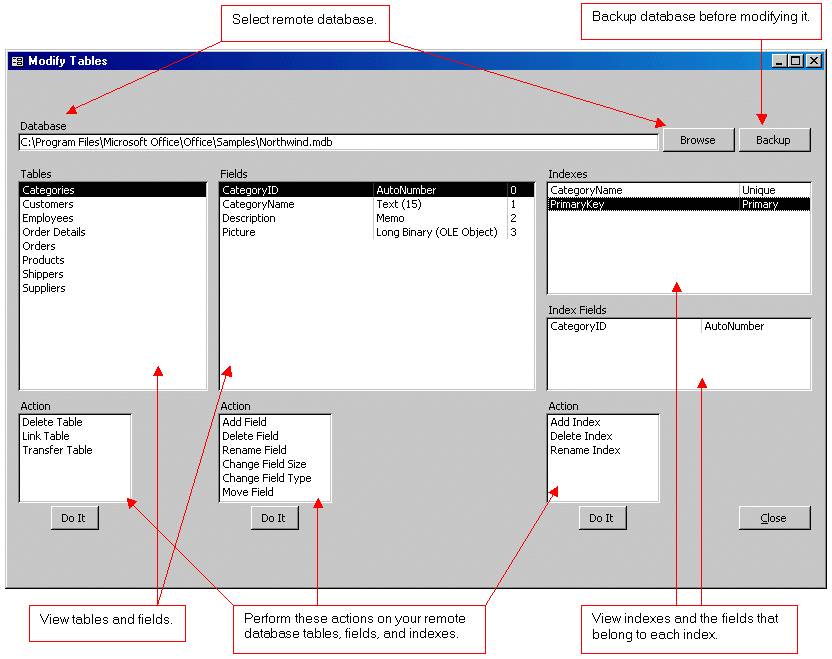
Wizard to Manage Remote Backend MS Access Database Tables Fields and Indexes

If you had an aisle-by-aisle grocery list wouldn't you spend less money on impulse items?

everything you need to create a professional corporate look mini-site is there.
Unlock Your Networking Potential with GNS3Vault
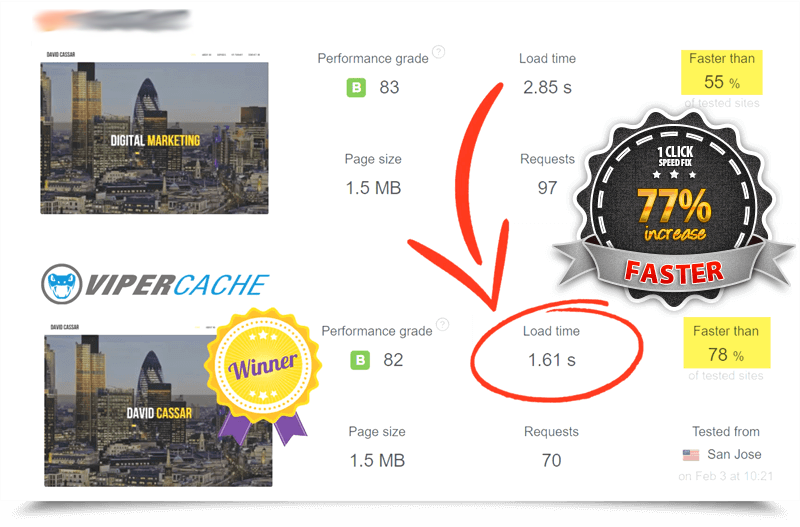
Viper Cache Was 77% Faster Than The Competetion

Understanding Stock Market Shorting eBook